
⏱️ Estimated reading time: 7-9 minutes
The Status of Women in 7th-Century Arab Bedouin and Tribal Societies:
Prophet Muhammad (peace be upon him) was one of the first figures in recorded history to explicitly stand up for women’s rights. His teachings emphasized compassion, equality, and the sanctity of women’s status in society. He said:
“The rights of women are sacred. See that women are maintained in the rights assigned to them.” (Hadith)
“God enjoins you to treat women well, for they are your mothers, daughters, aunts.” (Hadith)
“Paradise lies under the feet of your mother.” (Hadith)
These Hadiths emphasize the immense respect, honor, and gratitude owed to women, suggesting that treating them with kindness and dignity is a path to divine reward. But to truly appreciate the revolutionary nature of these statements, we must examine the world into which they were introduced.
Their Greatest Shock: There Is Only One God that can not be bought or sold, and Women Are Granted Rights by the Same God.
In the 7th century, with the arrival of the message of Islam and the Prophet Muhammad (peace be upon him), women were granted rights for the first time.
For the Arab Bedouins and tribal societies of the time, it was a profound shock to hear a man from among them claiming that a divine revelation had come to him calling them to worship only one God and to treat women with dignity by granting them rights.
Imagine, for a moment, the reaction of these 7th-century desert dwellers, where the birth of a daughter was often viewed as a burden or even a source of shame. In some tribes, female infanticide was tragically practiced: newborn girls were buried alive. These same communities worshipped idols and statues they bought and sold in the largest city and the market of their time, the market of Makkah. This religious commerce formed the core of their economy and their primary source of income. Caravans arrived from distant lands such as Syria, Iran, and Iraq to trade in these objects of devotion.
Then, a man named Muhammad stood up and urged them to abandon the idols they had fashioned with their own hands and to cease profiting from them. He proclaimed that there is only one God who cannot be bought or sold.
Perhaps most striking of all was his message concerning the treatment of women. He declared that their treatment of women, whether wives, mothers, or daughters was unjust, and that God had granted women rights: the right to inherit, to be educated, to earn a wage, to own property, to accept or refuse marriage, to seek divorce, and to participate fully in social and economic life.
Modern Misconceptions and the Global Perception of Muslim Women
Fast forward to today: in many Western countries, discussions about Islam often focus on concerns around the treatment of Muslim women. These views are frequently shaped by media coverage from places facing extreme hardship, such as Afghanistan under Taliban rule.
At the same time, in many Muslim-majority countries, there is genuine concern about challenges some women face in the West—such as exploitation in the adult entertainment industry, human trafficking, or economic and social pressures that can push some women to monetize their image or bodies on platforms like OnlyFans simply to make ends meet.
A More Balanced Perspective:
Most thoughtful people in Muslim societies understand that these issues do not represent Western women as a whole. Likewise, many people in the West recognize that Islam places great emphasis on dignity, respect, and honor for women—especially mothers—and that negative portrayals often overlook this reality.
Women’s Struggles Throughout History, Particularly from the 15th to 18th Centuries:
Any historian will acknowledge that, for much of history, women in the West were often regarded as spiritually and legally inferior to men and were denied many fundamental rights. For centuries, Western women lacked basic legal autonomy, including the right to own and control property.
By contrast, Muslim women were granted the right to own, inherit, and manage property as early as the 7th century, with historical records documenting successful Muslim women who owned businesses and estates. In comparison, similar property rights were only granted to women in England in 1882, in the United States in 1848, and in France in 1907.
Pope Innocent VIII: There are many examples illustrating the suffering of women in the West, from the early Crusades to the early 19th century, but one of the most striking cases dates back to the 15th century, when Pope Innocent VIII issued a papal bull entitled Summis Desiderantes Affectibus (in 1484), authorizing the Inquisition to investigate witchcraft. This led to the publication of the infamous Malleus Maleficarum (The Hammer of Witches) in 1487, a manual describing how to identify and punish women accused of witchcraft.
For nearly 300 years, between the 15th and 18th centuries, Europe was the scene of witch hunts fuelled by superstition and religious persecution. Women were often wrongly accused of causing diseases, crop failures, famines, plagues or other misfortunes. These accusations frequently led to death sentences. It is estimated that about 60,000 women were burned alive accross Europe, although some researchers suggest higher numbers. Others were hanged or drowned.
The reality of the 21st Century: Muslim Women in the West:
Although Islam granted women fundamental rights more than 14 centuries ago—including the right to education, work, and dignity—Muslim women in Europe still face obstacles to fully exercising these rights.
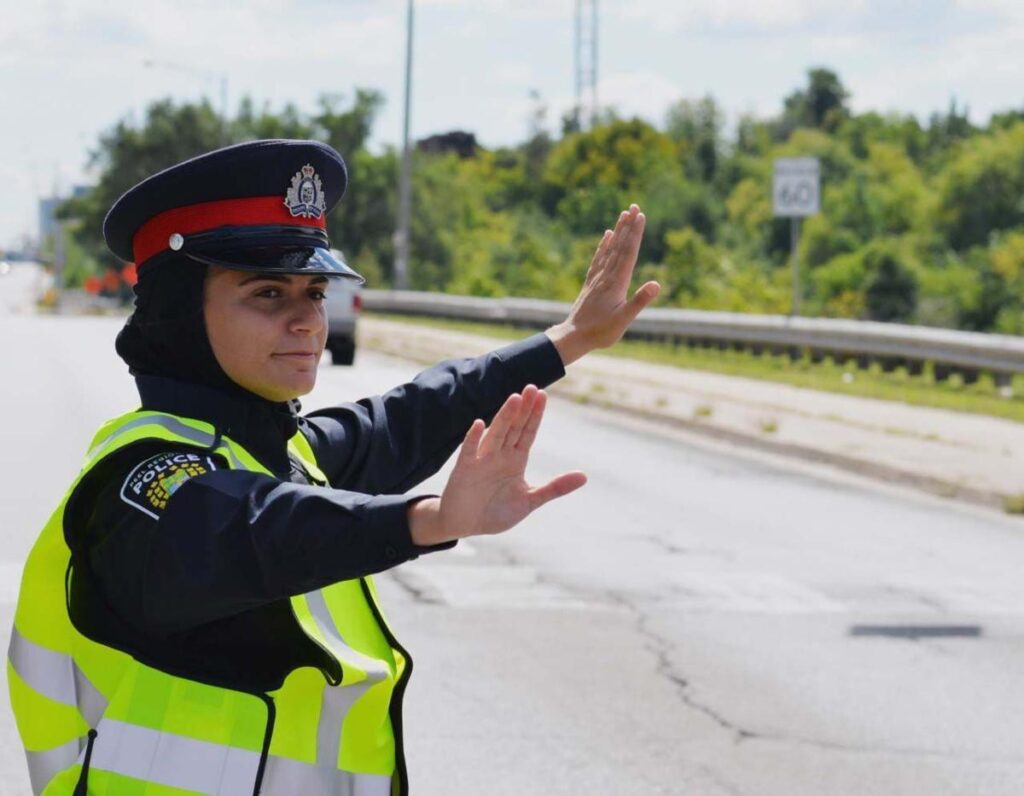
Today, Muslim women in Europe (many born and raised locally) can encounter barriers to certain public-sector roles, such as in education, the judiciary, law enforcement, or politics, simply because they wear the hijab as an expression of their faith.
What is sometimes overlooked is that the hijab is not merely a fashion choice or cultural symbol. For a Muslim women, it is an act of worship and a deeply personal commitment to God, once it is put on it can not be removed or set aside when convenient.
Governments often justify these restrictions by appealing to secularism and the principle of neutrality in public spaces. However, only a few religions require specific attire as part of daily religious practice, most notably Islam for women and Sikhism for men, who are required to keep their hair covered. This differs from other religious symbols, such as a necklace with a cross or a kippah, which can be removed more easily.
Most people may understand restrictions on face coverings like the niqab for practical reasons, though such coverings were widely accepted during COVID-19 mask mandates without issue. Banning a simple headscarf, however, raises serious questions about proportionality, inclusion, and equal treatment.
Double Standards and Restriction by Another Name:
In my view, some countries—often led by men in positions of power—impose restrictions on women that, while different in form, echo practices we usually associate with far more extreme situations, like those under the Taliban in Afghanistan. In certain Western societies, women’s freedom is limited by rules about what they can wear and how they can express their identity. By preventing women from wearing the hijab, these policies can also restrict their access to work and in some cases, education, even though these women are committed to their faith and choose to observe it.
Many highly educated Muslim women in these countries find themselves relying largely on their husband’s income. Unfortunately, in the event of divorce or the death of a spouse, they may have to depend on social support—even though they have the skills and training to contribute fully to society.
Basic human rights:
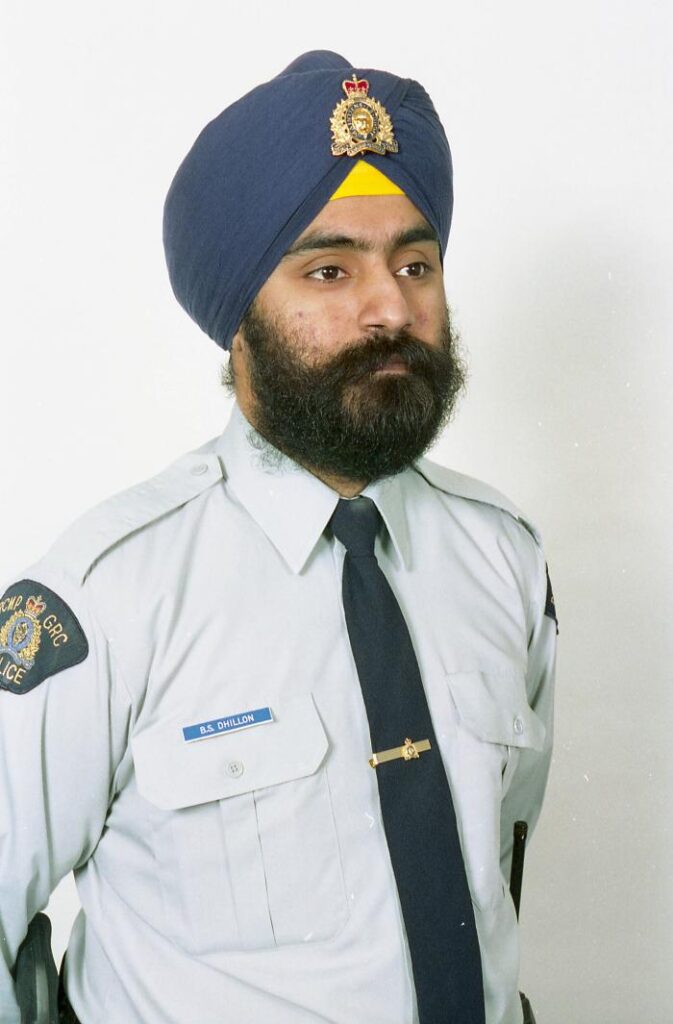
In countries like Canada (excluding Quebec with it’s current Law — Bill 21 which passed in 2019), human rights are upheld by the Supreme Court, it’s common to see police officers (both male and female) covering their hair, as well as teachers, lawyers, and even ministers, such as Harjit Singh Sajjan, the Minister of National Defence, wearing turbans. This right wasn’t automatically granted; it was the result of Baltej Singh Dhillon’s legal battle, which he won in 1990 before the Supreme Court of Canada.
Below are other FAQs about women in Islam:
1. What is the status of women in Islam?
Answer: In Islam, women are regarded as equal in dignity and humanity to men. Both men and women are equally accountable to God, with identical rewards and punishments based on their actions.
2. What rights do women have in Islam?
Answer: Islam granted women a wide range of rights at a time when no other society did, including the right to education, the right to work, the right to participate in social, economic, and political life, the right to own property, those rights were granted to her 1400 years ago.
3. Can women seek education in Islam?
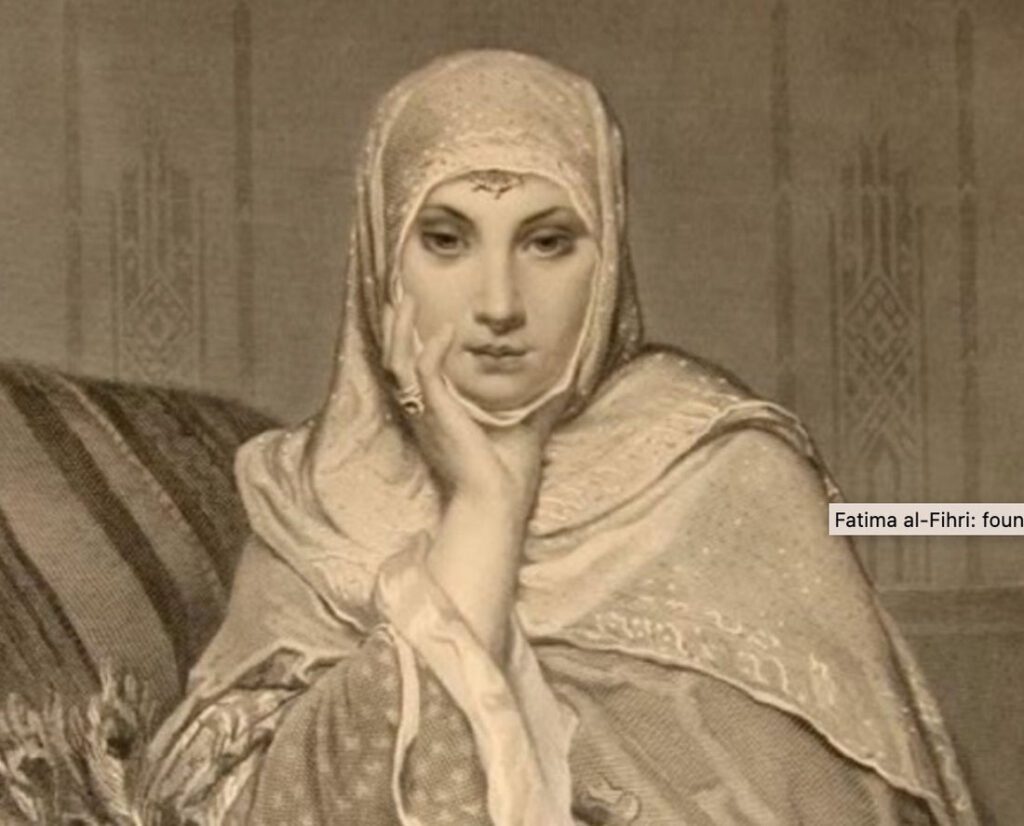
Answer: Yes, Islam encourages both men and women to seek knowledge. Matter of fact Muslim’s women were highly educated. The first university in human history ever built is generally considered to be the University of al-Qarawiyyin (also spelled Al-Karaouine), located in Fez, Morocco. It was founded in 859 AD by a Muslim women Fatima al-Fihri, she was born into a wealthy family and was highly intelligent. This university is recognized by UNESCO and the Guinness World Records as the oldest existing, continually operating degree-granting university in the world.
As mentioned on page 13 – “Knowledge in Islam” throughout early Islamic history, particularly during the “Islamic Golden Age” (from the 8th to the 15th century) when science, mathematics, philosophy, physics, chemistry, and medicine flourished mainly in the Islamic world, Europeans would come to study and learn from Muslims and during those centuries Muslims women played active roles in all aspects of the society. Female religious scholars, for instance, were not uncommon. Scholars such as Mohammad Akram Nadwi have documented the lives of over 8,000 female jurists during the 8th to 15th century, who were legal scholars deeply knowledgeable in the field of Sharia law, while Ignaz Goldziher estimated that around 15% of medieval Hadith scholars were women.
4. What does Islam say about a woman’s role in the family?
Answer: Islam places great importance on the role of women in the family, particularly as mothers. The Prophet Muhammad (pbuh) emphasized the high status of mothers, saying, “Paradise lies under the feet of your mother.“
5. Are women allowed to work outside the home in Islam?
Answer: Yes, Islam permits women to work, Prophet Muhammad (pbuh) made sure of that and it is recorded that in less than 80 years after his passing, in 710AD a very smart women by the name of Umm Warqa, who was appointed by Caliph Omar to lead the market committees in both Medina and Mecca, becoming the first woman to hold such a position, the equivalent of the CEO of a major corporation today.
6. What is the Islamic perspective on women’s modesty?
Answer: Islam encourages modesty for both men and women. Women are instructed to dress modestly, with the option of wearing the hijab.
7. What does Islam say about women’s involvement in politics?
Answer: Islam does not prohibit women from participating in politics. Women have historically held high leadership roles in Islamic societies, such as the first female governor in Islamic history, Shifa bint Abdullah, who was appointed by the Caliph Umar ibn al-Khattab.
8. Are women allowed to divorce in Islam?
Answer: Yes, women have the right to seek divorce (called khula) in Islam if the marriage is causing harm or is no longer viable. They can also initiate divorce through the courts.
Additional historical facts:
Unfortunately, the progress made during the Islamic Golden Age diminished over time due to political instability in Muslim countries. Furthermore, Western colonization played a major role in disrupting these societies, exploiting their natural resources, and dismantling their educational systems. For example, my father who was born in 1935 and who came from a small rural village in Algeria, was not allowed to go to school under French colonial rule (France occupied and governed Algeria for 132 years, from 1830 to 1962). Around 80 to 90% of the Algerian population could neither read nor write when France was forced to leave Algeria in 1962. My father was a very intelligent man, and he could have accomplished many things if only he had been given the right to an education.
Like most colonizing powers, they ruled with an iron fist and killed more than 1.5 million Algerian Muslims, and to this day, France has still not apologized to Algeria.
The same occurred in many Muslim-majority countries, where European powers, with their Western ideologies, prevented further education for most of the inhabitants, stunting the development of these countries for centuries.
After all the damage they have caused, they still have the audacity to continue oppressing Muslim women in their countries by preventing them from covering their hair.